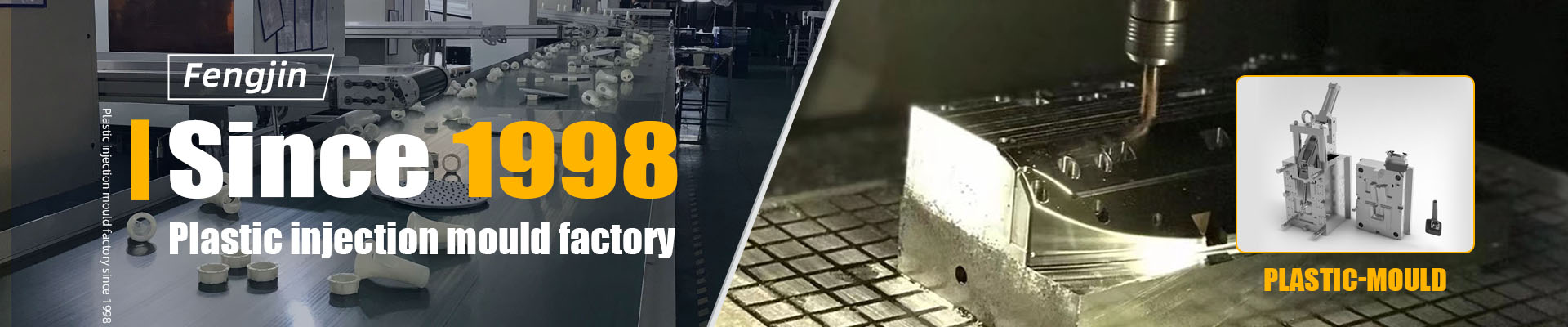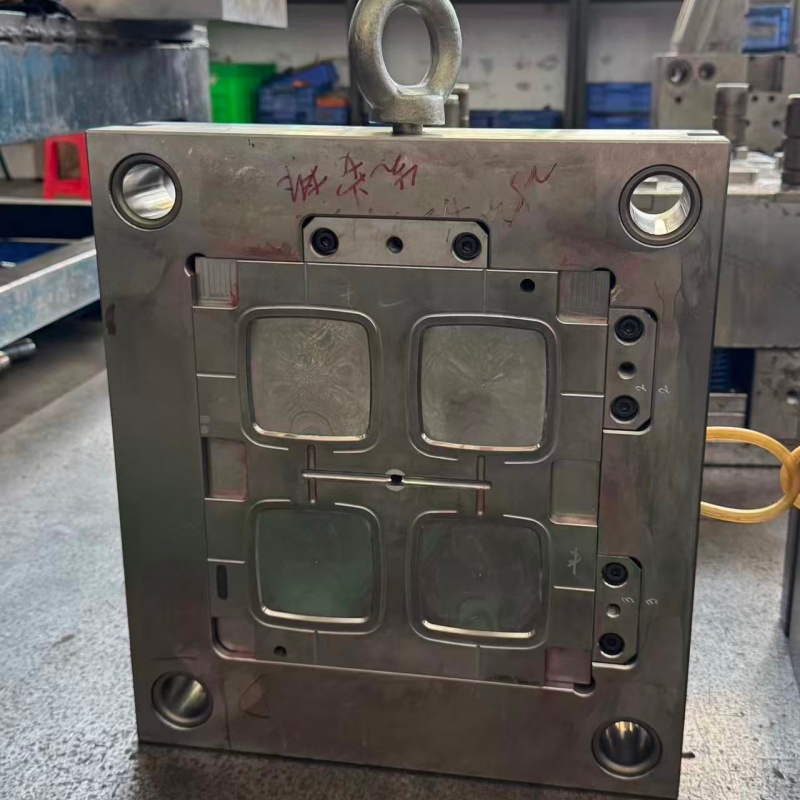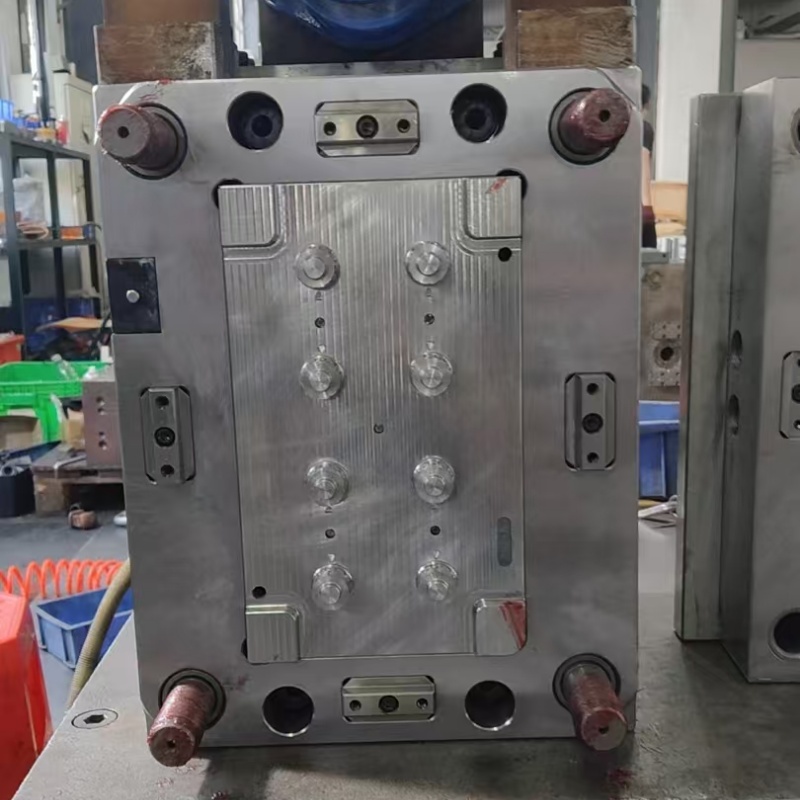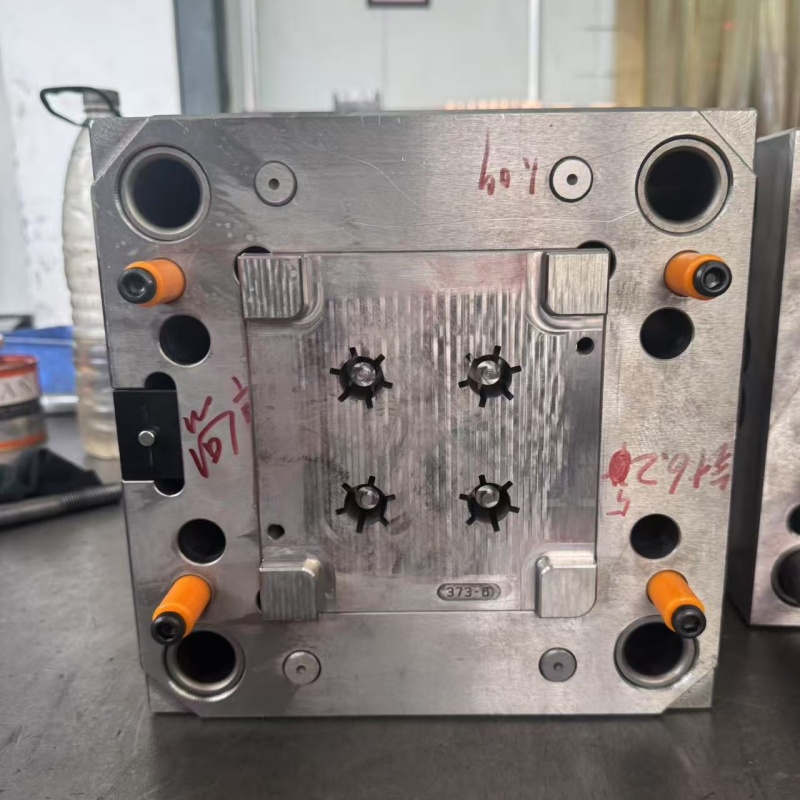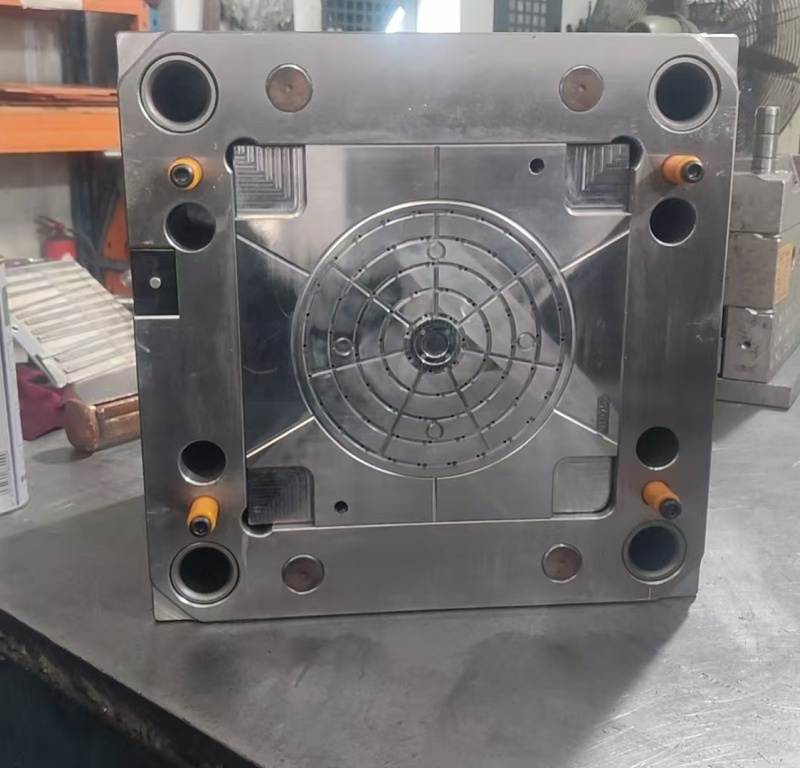
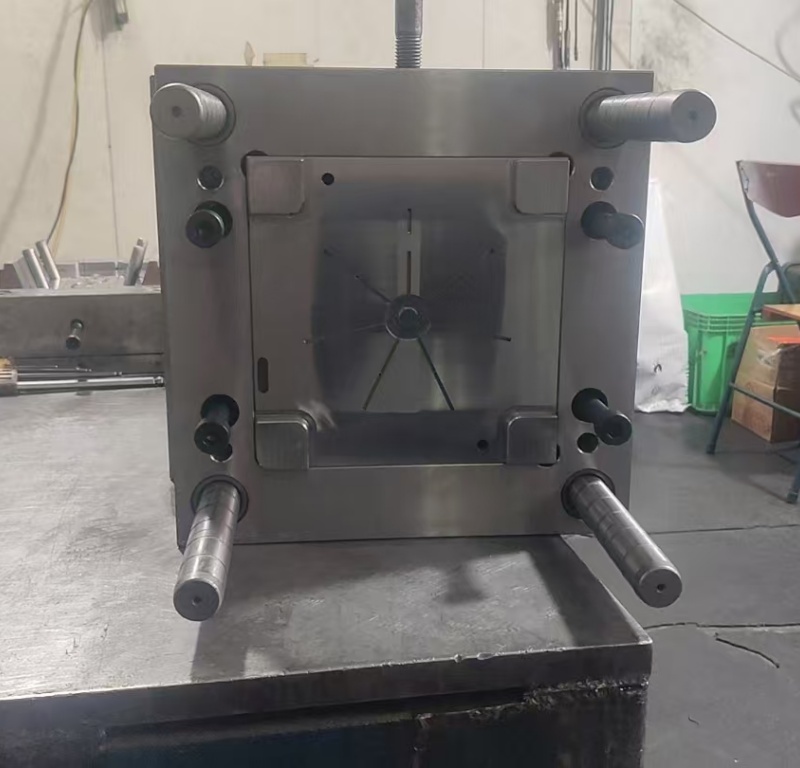
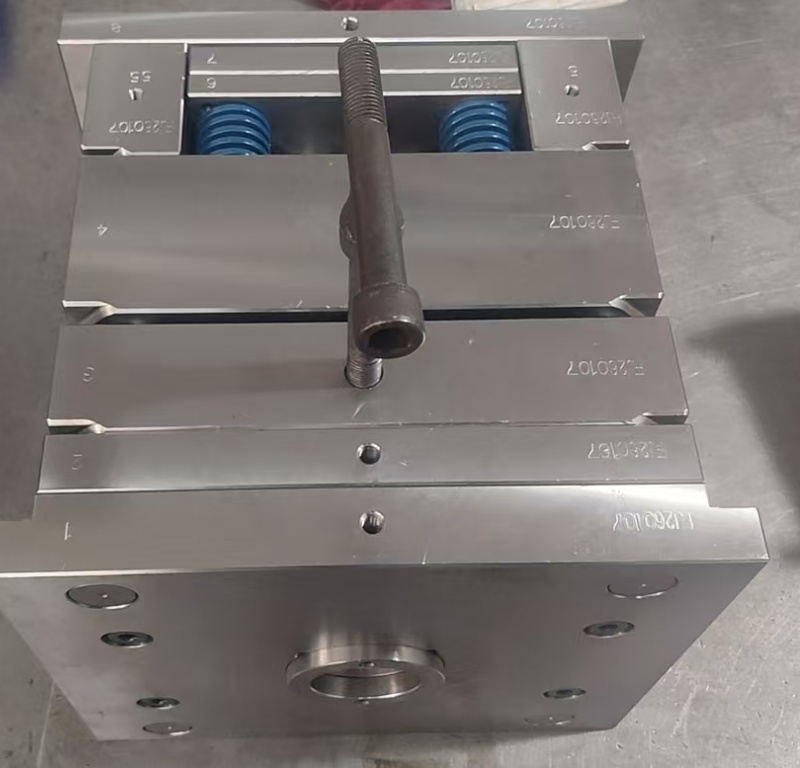
We are plastic mould maker -xiamen fengjin mold industry
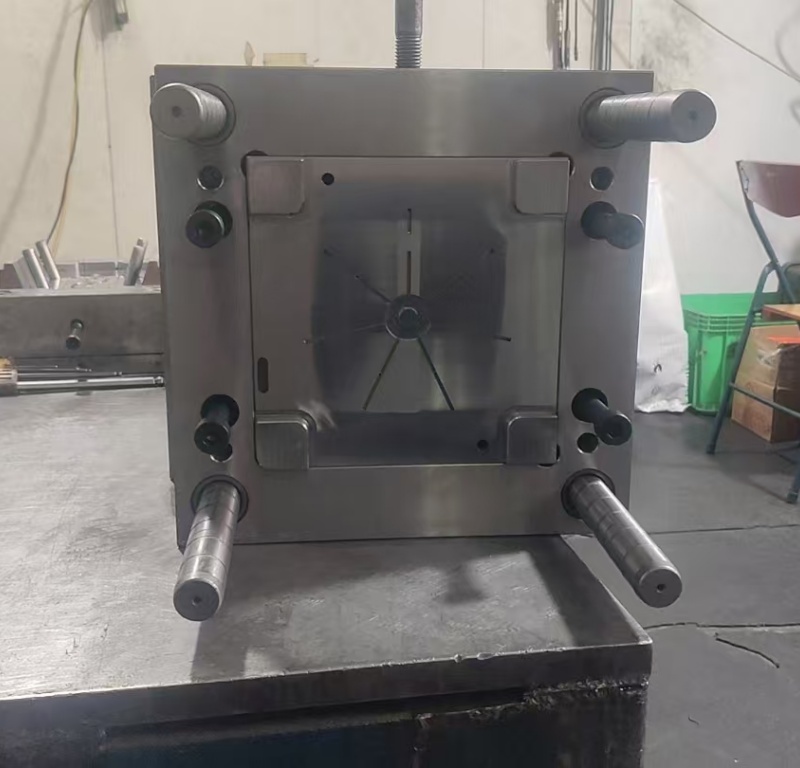
Manufacturing Technique:injection
Mould Core:S136H
Mould Base :45# steel
Cavity:1
Delivery time:50days can start first time mould trial
Product Specification:
Injection Molding Companies | |||||||
factory | product name | mold cavity | mold core | mold base | mold delivery time | circle time | |
fengjin | injection molding mold | 1 | S136 | 45# | 50days | 35 | |
One cavity mould
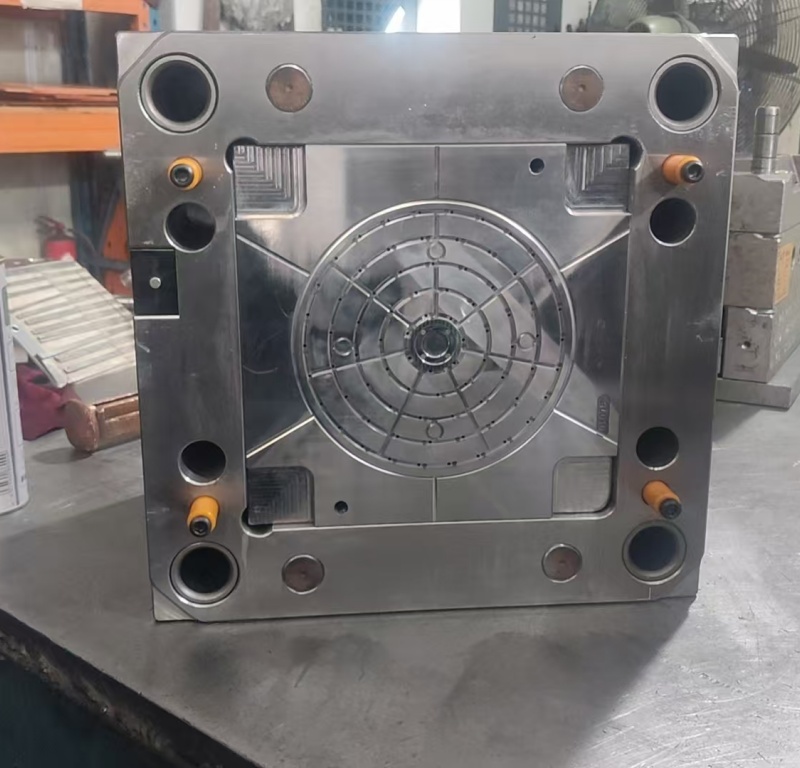
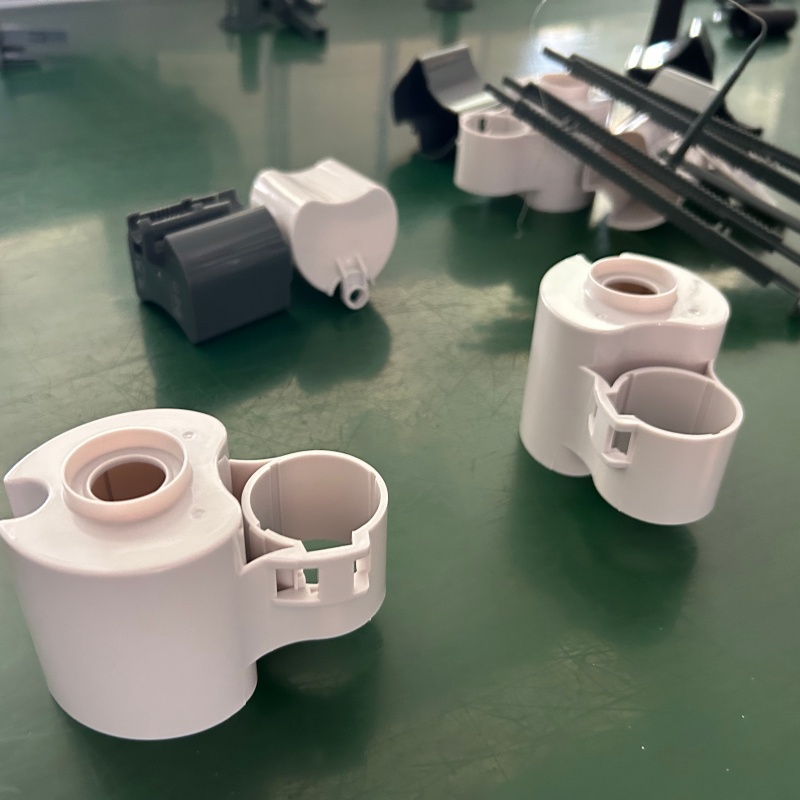
Part of plastic inlet valve that we produce for customer,if only need mould of this also ok to offer
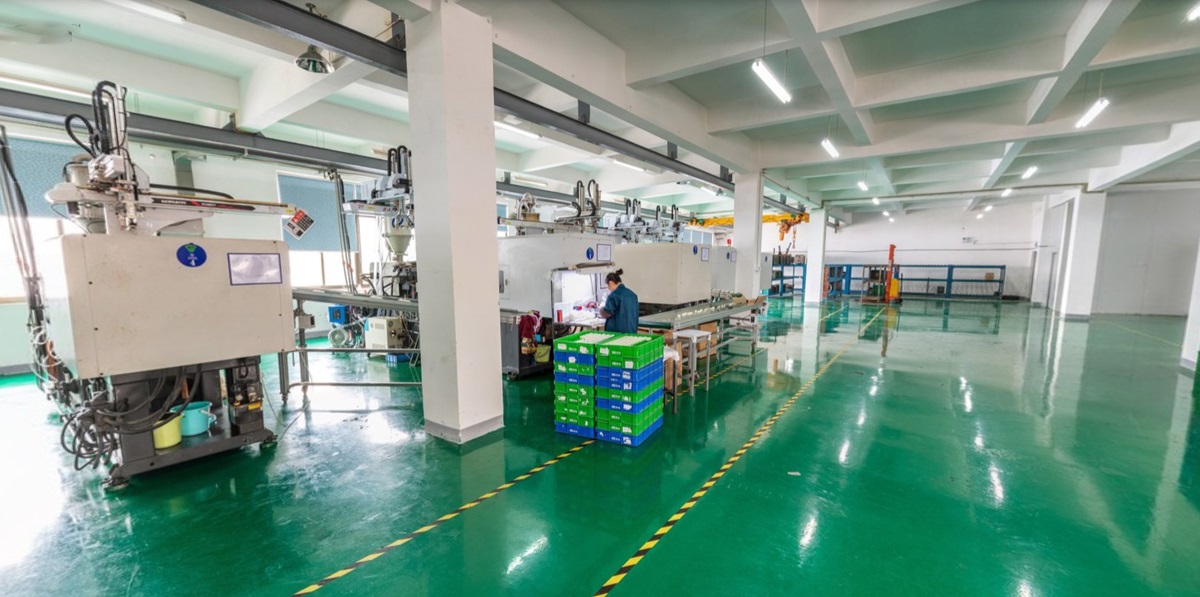
Our Injection Factory Shop,we have 15 set injection machine in different size,big and small ,max is 1228ton,can make pastic parts max 1.5*1.2m
Packing can be customized if qty over 3000pcs.
For other plastic products customized please send us 3d drawing or samples for quotation,we'll offer you suggestions on mold and design.And offer best price to start.These years,we have booth on bangladesh,russia,turkey,and morocoo for plastic and rubber fair .welcome to contact us for more that if we can have a chance to meet and talk more details on items custom.
Plastic Molds: The Backbone of Modern Manufacturing
In the realm of contemporary production, plastic molds stand as an indispensable cornerstone, bridging design concepts with tangible products that permeate every aspect of daily life and industrial operations. From the casing of a smartphone to the components of automotive engines, from medical devices to household appliances, nearly all plastic products we encounter rely on the precision and reliability of plastic molds. This article delves into the core essence, classification, manufacturing processes, key technologies, and future trends of plastic molds, unraveling their pivotal role in shaping modern manufacturing.
1. Definition and Core Functions of Plastic Molds
A plastic mold is a specialized tool designed to shape molten plastic materials into desired geometries through the injection molding, blow molding, compression molding, or extrusion molding processes. Its fundamental function lies in translating engineering drawings into physical products with consistent dimensions, surface quality, and structural integrity. By leveraging the fluidity of molten plastic, molds enable mass production of identical parts, balancing efficiency, cost-effectiveness, and precision—three critical factors that drive industrial scalability.
At its core, a plastic mold operates on the principle of material solidification: molten plastic is injected, pressed, or blown into the mold cavity, where it cools and hardens to replicate the cavity’s shape. The mold’s design directly dictates the final product’s performance, including mechanical strength, dimensional accuracy, and aesthetic appeal. This symbiosis between mold design and product functionality makes plastic molds a linchpin in product development cycles, often determining the success of a new product in the market.
2. Classification of Plastic Molds
Plastic molds are categorized based on multiple criteria, including molding process, structure, and application scope, each tailored to specific production requirements:
2.1 By Molding Process
• Injection Molds: The most widely used type, suitable for manufacturing complex, high-precision parts with intricate details. They are employed in producing consumer electronics, automotive components, and medical devices. Injection molds feature a two-plate or three-plate structure, with a runner system that delivers molten plastic to the cavity.
• Blow Molds: Primarily used for hollow products such as bottles, containers, and pipes. They include extrusion blow molds and injection blow molds, where air pressure expands the molten plastic parison (tube) against the mold cavity to form the desired shape.
• Compression Molds: Ideal for thermosetting plastics and large-scale products like automotive bumpers or electrical enclosures. The process involves placing plastic material into an open mold, which is then closed and heated to compress the material into shape.
• Extrusion Molds: Designed for continuous production of linear products such as profiles, sheets, and films. The mold’s die shapes the molten plastic as it is forced through an opening by an extruder.
2.2 By Structure
• Single-Cavity Molds: Produce one part per molding cycle, suitable for low-volume production or complex parts requiring high precision.
• Multi-Cavity Molds: Feature multiple identical cavities, enabling simultaneous production of multiple parts, thus increasing efficiency for high-volume orders.
• Hot Runner Molds: Utilize a heated system to keep the plastic in the runner molten, reducing material waste and improving production speed, widely used in high-precision and large-scale production.
3. Manufacturing Process of Plastic Molds
The production of plastic molds is a sophisticated, multi-step process that demands rigorous quality control and advanced machining capabilities. The key stages include:
3.1 Design and Engineering
The process begins with product design analysis, where engineers use computer-aided design (CAD) software to create 3D models of the mold. This phase involves simulating the molding process using computer-aided engineering (CAE) tools to optimize cavity design, gate location, and cooling system layout—critical for preventing defects such as warping, shrinkage, or air traps.
3.2 Material Selection
Mold materials are chosen based on the intended application, production volume, and plastic material being processed. Common materials include:
• Tool Steels: Such as P20, H13, and S136, offering high hardness, wear resistance, and thermal stability for high-volume production.
• Aluminum Alloys: Lightweight and cost-effective, suitable for low-volume production or prototype molds, with faster machining and cooling times.
• Copper Alloys: Used for molds requiring excellent thermal conductivity, ideal for reducing cycle times in high-precision applications.
3.3 Machining and Fabrication
Precision machining is the backbone of mold manufacturing. Key processes include:
• CNC Milling: For shaping complex cavities and cores with high dimensional accuracy.
• EDM (Electrical Discharge Machining): Used for machining hard materials and intricate details that are difficult to access with traditional milling.
• Wire EDM: Ideal for cutting thin walls, sharp corners, and precise contours in mold components.
• Grinding and Polishing: To achieve the required surface finish of the mold cavity, which directly impacts the product’s surface quality.
3.4 Assembly and Testing
After machining, mold components are assembled, including the cavity, core, runner system, cooling channels, and ejection mechanism. The assembled mold undergoes rigorous testing, including trial runs with the target plastic material, to verify dimensional accuracy, product quality, and process stability. Adjustments are made to the mold design or machining parameters as needed to ensure optimal performance.
4. Key Technologies Driving Plastic Mold Advancement
Technological innovation has been a major catalyst for the evolution of plastic molds, enhancing precision, efficiency, and sustainability:
4.1 Additive Manufacturing (3D Printing)
3D printing has revolutionized mold prototyping and low-volume production. Technologies such as selective laser sintering (SLS) and stereolithography (SLA) enable rapid fabrication of mold inserts or even entire molds, reducing lead times from weeks to days. This accelerates product development cycles and allows for cost-effective design iterations.
4.2 Smart Mold Technology
Integrating sensors, data analytics, and IoT (Internet of Things) connectivity, smart molds enable real-time monitoring of temperature, pressure, and cavity filling during the molding process. This data-driven approach allows for proactive adjustments, minimizing defects, reducing downtime, and optimizing production efficiency.
4.3 High-Precision Machining
Advancements in CNC machining, such as five-axis milling and high-speed cutting, have significantly improved mold accuracy, with tolerances reaching micrometer levels. This is critical for manufacturing high-precision products in industries such as aerospace, medical, and electronics.
4.4 Sustainable Mold Design
With growing environmental awareness, sustainable mold design has emerged as a key trend. This includes optimizing cooling systems to reduce energy consumption, using recyclable materials for mold components, and designing molds for easy disassembly and reuse, minimizing waste in the manufacturing process.
5. Future Trends of Plastic Molds
As manufacturing industries continue to evolve, plastic molds are poised to embrace several transformative trends:
5.1 Customization and Flexibility
The demand for personalized products is driving the development of flexible molds that can be quickly reconfigured for different product designs. This includes modular mold systems and rapid tooling technologies, enabling manufacturers to adapt to changing market demands with greater agility.
5.2 Integration with Industry 4.0
The integration of plastic molds with Industry 4.0 technologies, such as artificial intelligence (AI) and big data analytics, will enable predictive maintenance, automatic process optimization, and seamless integration with smart production lines. This will further enhance productivity, reduce costs, and improve product quality.
5.3 Advancements in Mold Materials
The development of new mold materials, such as composite materials and nanomaterials, will offer improved performance, including higher wear resistance, better thermal conductivity, and lower weight. This will extend mold life, reduce energy consumption, and expand the application range of plastic molds.
5.4 Focus on Sustainability
Sustainability will remain a key focus, with the adoption of eco-friendly mold design, recyclable materials, and energy-efficient manufacturing processes. This aligns with global efforts to reduce carbon emissions and promote circular economy principles in the manufacturing industry.
Conclusion
Plastic molds are the unsung heroes of modern manufacturing, enabling the mass production of high-quality, cost-effective plastic products that enrich our daily lives and drive industrial progress. From their precise design and manufacturing to the integration of advanced technologies, plastic molds continue to evolve to meet the changing needs of industries worldwide. As we move towards a more connected, sustainable, and customized manufacturing landscape, plastic molds will remain a critical enabler, shaping the future of production and innovation.
Let's work for you on 2026.